












-
Trust and Community Contexts: An Integrative Study of Hazard Preparedness Influences in Hampton Roads, Virginia
2022Ogechukwu Agim Nwandu-Vincent
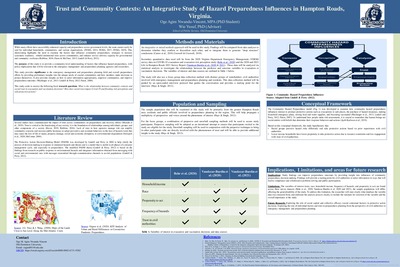
Despite research findings that show the benefits of being prepared for hazard events, studies on hazard preparedness report that individuals, communities, and businesses are often poorly prepared. Several studies have determined that various factors and contexts (individual, environmental, social), social messaging, social influences, and information sources can play an important role in determining how a community prepares for and responds to a hazard (Wachinger et al., 2013; Paton & McClure, 2013; Lindell & Perry, 2012; Paton, 2007).
Higher levels of trust may lead to desired protective behaviors while lower levels may lead to low levels of engagement and compliance in communities. The relationship between trust and community factors and contexts in hazard preparedness has not been widely examined yet, and few studies have evaluated how contexts and trust impact preparedness in hazard-prone coastal areas.
Using an integrative research design, this study seeks to fill this research gap via an author-developed Community Hazard Preparedness conceptual framework. The framework will integrate risk management and communication, behavioral public policy, and community development elements to further the understanding of how community contexts and influences impact propensity to take protective actions.
This study will investigate data from the 2020 COVID-19 Evacuation and Sheltering Risk Perception Study (N = 2,200) and the 2020 and 2021 Life in Hampton Roads survey in Hampton Roads, Virginia (N= 1,105 and 796 respectively). It will also investigate focus group data from civil authorities and residents in the greater Hampton Roads area. This study aims to answer these focal research questions: What is the relationship between community contexts and social trust in evacuation and vaccination decisions? How does social trust impact Covid-19 and flooding risk perceptions and self-protective actions?
-
Point Cloud-based Mapper for QCD Analysis
2022Tareq Alghamdi, Yasir Alanazi, Manal Almaeen, Nobuo Sato, and Yaohang Li
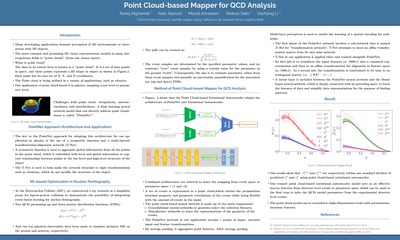
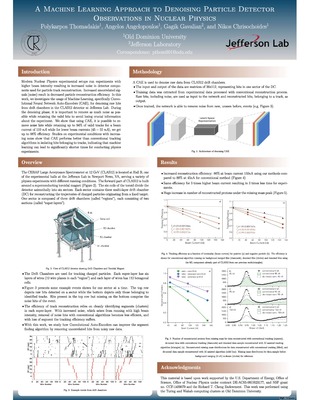
In many scientific applications, Inverse problems are challenging. An inverse problem is the process of inferring unknown parameters from observable ones. In this poster, we present our prototype using Point Cloud-based Variational Autoencoder mapping. Data that connects parameters to detector level events is used to train the proposed model. A point cloud is used to describe a series of events that keeps the permutation invariant property and geometric correlations of the events while being flexible with the number of events in the input. The trained Point Cloud-based Variational Autoencoder functions as an effective inverse function from detector level events to parameter space and can be utilized as the final step in inferring QCFs model parameters from experimental detector level events. Using a point cloud-based variational autoencoder, our results show that Sigma1 and Sigma2 are within one standard division of the predicted Sigma1 (pc) and Sigma2 (pc). The suggested model can be extended to high-dimensional events with permutation invariant features in future work.
-
Physics-Informed Neural Networks (PINNs) For DVCS Cross Sections
2022Manal Almaeen, Jake Grigsby, Joshua Hoskins, Brandon Kriesten, Yaohang Li, Huey-Wen Lin, Simonetta Liuti, and Sorawich Maichum
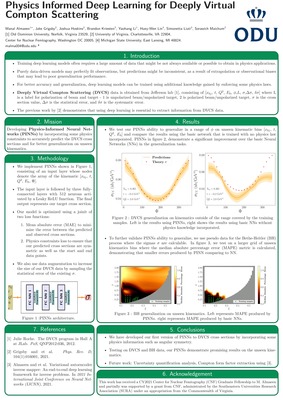
We present a physics informed deep learning technique for Deeply Virtual Compton Scattering (DVCS) cross sections from an unpolarized proton target using both an unpolarized and polarized electron beam. Training a deep learning model typically requires a large size of data that might not always be available or possible to obtain. Alternatively, a deep learning model can be trained using additional knowledge gained by enforcing some physics constraints such as angular symmetries for better accuracy and generalization. By incorporating physics knowledge to our deep learning model, our framework shows precise predictions on the DVCS cross sections and better extrapolation on unseen kinematics compared to the basic deep learning approaches.
-
Participatory Action Research Inside an English Second Language Classroom: Towards a Critical Syllabus
2022Amal Alnefaie
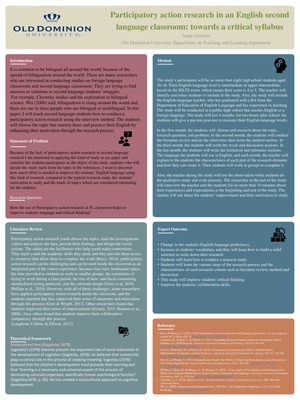
It is common to be bilingual all around the world, because of the spread of bilingualism around the world. There are many researchers who are interested in conducting studies on foreign language classrooms and second language classrooms. They are trying to find answers or solutions to second language students' struggles.
For example, Chomsky studies and his exploration in bilingual science. Wei (2000) said, bilingualism is rising around the world and there are one in three people who are bilingual or multilingual. In this paper, I will teach second language students how to conduct a participatory action research using the interview method. The students will choose the topic that interest them and practice their English by enhancing their motivation through the research process.
Because of the lack of participatory action research in second language research I am interested in applying this kind of research to my paper and consider the students participants as the object of the study, students who will decide the study starts from the topic to the references. I want to discover how much effort is needed to improve the students' English language using this kind of research, compared to the typical research study, the students' motivation to study and the kinds of topics which are considered interesting for the students.
-
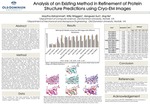
Analysis of an Existing Method in Refinement of Protein Structure Predictions using Cryo-EM Images
2022Maytha Alshammari, Jing He, Willy Wriggers, and Jiangwen Sun
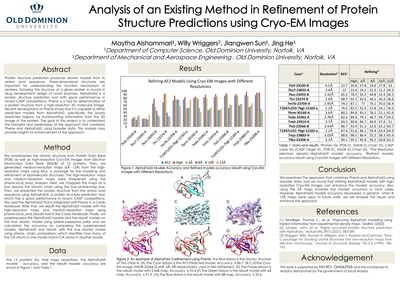
Protein structure prediction produces atomic models from its amino acid sequence. Three-dimensional structures are important for understanding the function mechanism of proteins. Knowing the structure of a given protein is crucial in drug development design of novel enzymes. AlphaFold2 is a protein structure prediction tool with good performance in recent CASP competitions. Phenix is a tool for determination of a protein structure from a high-resolution 3D molecular image. Recent development of Phenix shows that it is capable to refine predicted models from AlphaFold2, specifically the poorly predicted regions, by incorporating information from the 3D image of the protein. The goal of this project is to understand the strengths and weaknesses of the approach that combines Phenix and AlphaFold2 using broader data. This analysis may provide insights for enhancement of the approach.
-
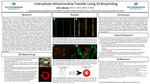
Intercellular Mitochondrial Transfer Using 3D Bioprinting
2022Julie Bjerring, Patrick C. Sachs, and Robert D. Bruno
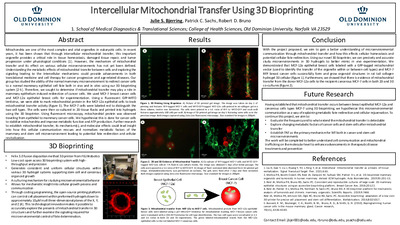
Mitochondria are one of the most complex and vital organelles in eukaryotic cells. In recent years, it has been shown that through intercellular mitochondrial transfer, this important organelle provides a critical role in tissue homeostasis, damaged tissue repair, and tumor progression under physiological conditions. However, the mechanism of mitochondrial transfer and its effect on various cellular microenvironments has not yet been defined. Understanding the metabolic effects of mitochondrial transfer between cells and exploring the signaling leading to the intercellular mechanisms could provide advancements in both translational medicine and cell therapy for cancer progression and age-related diseases. Our group has studied the ability of the normal mammary microenvironment to redirect cancer cells to a normal mammary epithelial cell fate both in vivo and in vitro using our 3D bioprinting system. Therefore, we sought to determine if mitochondrial transfer may play a role in mammary epithelium induced redirection of cancer cells. We used MCF-7 breast cancer cells and MCF-12a epithelial breast cells for experimentation. Using a fluorescent GFP-MITO lentivirus, we were able to mark mitochondrial protein in the MCF-12a epithelial cells to track mitochondrial transfer activity. The MCF-7 cells were labeled red to distinguish the two cell types. The cells were then co-cultured in 2D tissue flasks and printed into hydrogels using the 3D bioprinter. Using fluorescent microscopy, mitochondrial protein was observed traveling from epithelial to mammary cancer cells. We hypothesize this is done for cancer cells to stabilize mitochondria and improve metabolic function and ATP production. Further research to establish mitochondrial transfer, its mechanism(s), and molecular effects could lead insight into how this cellular communication rescues and normalizes metabolic factors of the mammary and stem cell microenvironment leading to potential fate redirection and cellular revitalization.
-

Role of Socioeconomic Status and Obesity in African American Adults
2022Alexis Bryant, Laura Christian, and Naomi Mcleod
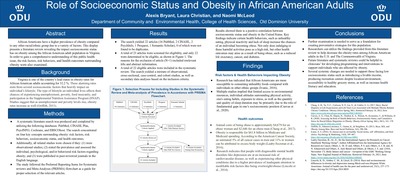
African Americans have a higher prevalence of obesity compared to any other racial/ethnic group due to a variety of factors, including socioeconomic status. This research paper presents a semi-systematic literature review revealing the impact socioeconomic status has on obesity among African American adults in the United States. In order to gain a comprehensive understanding of this public health issue, we examined the risk factors, risk behaviors, and health outcomes surrounding obesity among this population. An informational web-based search was conducted using various research databases including PubMed, CINAHL, and EBSCOHost. The terms “obesity,” “African Americans, “ and “socioeconomic status” were utilized as common keywords, along with other MeSH terms. The overall pattern of results display a positive association between socioeconomic status and obesity among African Americans in the United States. Findings indicate that certain health behaviors such as unhealthy eating, physical inactivity, and lack of sleep can increase the chances of an individual becoming obese. Not only does indulging in these harmful activities pose an increased risk, but other health outcomes may arise as a result of being obese such as a reduced life expectancy and a variety of chronic conditions. It is essential that further examination is completed to serve as a foundation for creating preventative strategies for this population. Researchers can utilize the findings provided from this literature review to help decrease the obesity rates among African American adults in the United States.
-
Neonatal Abstinence Syndrome in Virginia: Supporting Pregnant Women Impacted by Opioid and Other Substance Use
2022Anna Burns
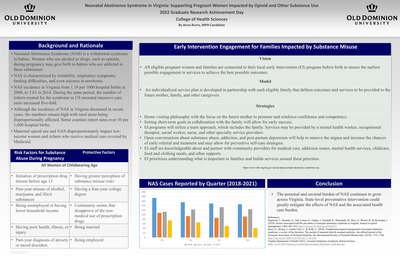
Neonatal Abstinence Syndrome (NAS) is a preventable condition that newborn children may experience as a result of in utero exposure to certain toxic substances such as opioids, alcohol, sedatives, and barbiturates. The syndrome develops in approximately 55-99 percent of children who are exposed to these substances. Symptoms of NAS may include respiratory distress, irritability, difficulty feeding, and seizures. Research indicates that mothers who receive treatment and support during pregnancy have a better prognosis for recovery from addiction, which improves neonate outcomes. Virginia Department of Health (VDH) is currently working on improving their NAS Surveillance System. The surveillance system helps to estimate the number of children born with NAS in Virginia and to identify high risk mothers and children who may benefit from local services and resources. Up to date, there is no state-level interventions for NAS prevention exists in Virginia. The overall goals of this project are to (1) conduct a comprehensive NAS needs assessment by conducting a literature review and using exiting department data and (2) to plan a public health intervention that would address NAS prevention needs among at risk pregnant women who live in Virginia.
-

Workplace Health and Wellness Program: Enhancing Employee Morale via Incentives, Gym Memberships, and Fitness Trackers: A Secondary Review
2022Rikki Carretta
Abstract
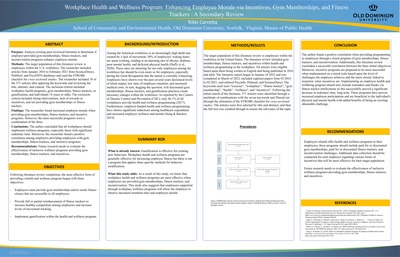
This secondary review focuses on employer-funded wellness programs consisting of gym memberships, fitness trackers, and incentives to increase employee mental and physical health in and outside of the workplace.
Purpose: Analyze existing peer-reviewed literature to determine if employer-provided gym memberships, fitness trackers, and incentivization programs enhance employee morale.
Methods: The target population of this literature review is employees within the U.S. workforce. The researcher included articles from January 2016 to February 2021 from ScienceDirect, PubMed, and PsycINFO databases. The author included 13 of the 571 articles after applying the keywords and reviewing the title, abstract, and content. The author analyzed the Precede-Proceed model and the Health Impact in 5 Model. The inclusion criteria included workplace health programs, gym memberships, fitness trackers, or gamification, and individuals 18 years or older. The exclusion criteria included sitting interventions, lack of rewards or incentives, and not providing gym memberships or fitness trackers.
Findings: The researcher found increased employee morale when providing gym memberships, fitness trackers, and incentive programs. However, the most successful programs were a combination of the three.
Conclusions: The author concluded that all workplaces should implement wellness programs, especially those with significant sedentary time. Moreover, the researcher found a positive correlation among employers providing employees with gym memberships, fitness trackers, and incentive programs.
Recommendations: Future research needs to evaluate the effectiveness of inclusive wellness programs providing gym memberships, fitness trackers, and incentives.
-
Exploring Long-Term Impacts of Self-Regulated Learning Interventions in K-12 Contexts: A Systematic Review
2022Erin Cousins, Linda Bol, and Tian Luo
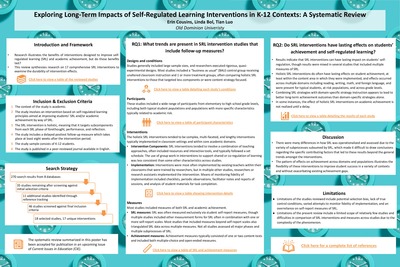
While research illustrates the benefits of interventions designed to improve self-regulated learning (SRL) and academic achievement, far fewer studies have examined the durability of these effects. This review synthesizes research on the lasting effects of 17 comprehensive SRL interventions on variables related to metacognition, cognition, motivation, and achievement in K-12 populations. Results reveal common patterns of design, domain-specificity, intervention complexity, and style of measurement instrument. Intervention effects tend to be durable regarding achievement and SRL but were mixed when presented across multiple measures of SRL. Overall findings imply that SRL interventions can lead to enduring effects on achievement and better achievement outcomes than content-strategy instruction alone and can be implemented successfully in a variety of contexts and subjects.
-
Effects of COVID-19 in the Status of Childhood Obesity in the United States: A Literature Review
2022Ana Cruz
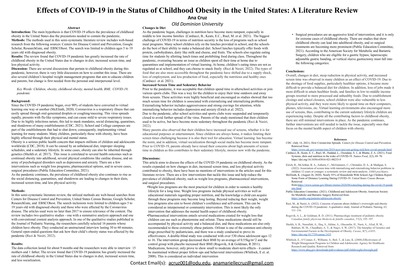
Introduction: The main hypothesis is that COVID-19 affects the prevalence of childhood obesity in the United States due the precautions needed to contain the pandemic.
Methods: The methods used in this semi-systematic literature review includes web-based research from the following sources: Centers for Disease Control and Prevention, Google Scholar, ResearchGate, and EBSCOhost. The search was limited to children ages 5 to 19 years old with diagnosed obesity.
Results: The review found that COVID-19 pandemic has greatly increased the rate of childhood obesity in the United States due to changes in diet, increased screen time, and less physical activity.
Discussion: There are several discussions that pertain to childhood obesity during this pandemic, however, there is very little discussion on how to combat this issue. There are also several children’s hospital weight management programs that aim to educate children and parents, but change is first needed from the personal and interpersonal level.
-
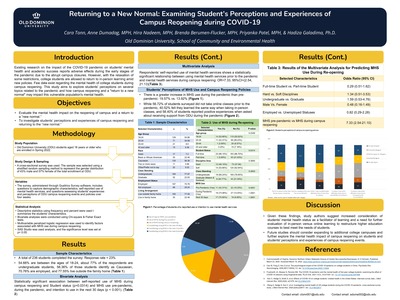
Factors Predicting Intention to Initiate Mental Health Services among College Students Returning to Campus during COVID-19
2022Anne Dumadag, Cara Tonn, and Hadiza Galadima
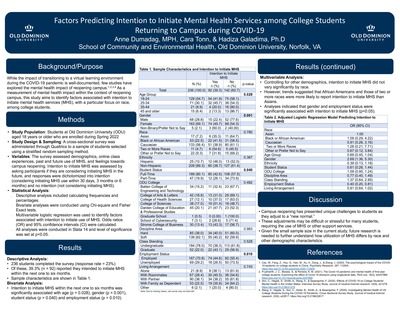
Introduction: While the impact of transitioning to a virtual learning environment during the COVID-19 pandemic is well-documented, few studies have explored the mental health impact of reopening campus. As a measurement of mental health impact within the context of reopening campus, this study aims to identify factors associated with intention to initiate mental health services (MHS), with a particular focus on race, among college students.
Methods: A cross-sectional survey using stratified sampling was conducted via Qualtrics among students at a Virginia university in January 2022. The survey assessed demographics, online class experiences, past and future use of MHS, and feelings towards campus reopening. Crude and adjusted logistic regression models were developed to examine the association between race and intention to initiate MHS, controlling for other demographics.
Results: Of the 236 students who completed the survey, 39.4% (n= 93) reported they intended to initiate MHS within the next one to six months. Controlling for other demographics, intention to initiate MHS did not vary significantly by race; however, trends suggested that African Americans and those of two or more races were more likely to report intention to initiate MHS than Asians. Analyses indicated that age, gender, and employment status were significantly associated with intention to initiate MHS (p<0.05).
Conclusion: Campus reopening has presented unique challenges to students as they adjust to a “new normal.” Given the small sample size in the current study, future research is needed to further understand how utilization of MHS differs by race and other demographic characteristics.
-

Understanding the Natural History of Juvenile Amblyomma maculatum in Southeastern Virginia
2022Christina Espada and Holly Gaff
Amblyomma maculatum, the Gulf Coast tick, is a species of increasing public health concern. Adult A. maculatum is a known vector of several pathogens including Rickettsia parkeri, the causative agent of Rickettsia parkeri rickettsiosis. Amblyomma maculatum has expanded northward from its historic range along the Gulf Coast, with populations reportedly establishing in southeastern Virginia in 2010. Recently established populations of A. maculatum tend to have higher R. parkeri infection prevalence compared to longer established populations. This pattern holds for all populations found so far in southeastern Virginia, with a prevalence of R. parkeri in about 60% of A. maculatum compared to a prevalence of around 10-40% in these ticks in most regions of the United States. While the predominant hosts of all life stages of A. maculatum in Virginia are unknown, preliminary work has found native rodent species acting as hosts to immature A. maculatum, with two species likely playing a role in the enzootic cycle of R. parkeri.
-

Medical Devices and Cybersecurity
2022Hilary Finch
I begin by looking at the role of cybersecurity in the medical world. The healthcare industry adopted information technology quite quickly. While the advancement was obviously beneficial and necessary to keep up with an ever-growing demand, the healthcare industry did not place any kind of pointed focus on the security of their IT department, or the sensitive information housed therein.
When rapid advancements of technology outpaced the gradual advancement of hospital cybersecurity, security concerns became a difficult issue to control. There is a serious need for more advancements in hospital security. Each interconnected medical device has its own unique security risks; there is not a one size fits all approach to medical device cybersecurity. Each device presents its own risk in its own form of disruption: hacking, malware infection, and vulnerabilities by way of unauthorized access.
The interconnectivity of medical devices becomes increasingly problematic with the scope of attacks on the public health sector. Confidential data is worth a lot of money and due to outdated technology, budget limitations, and resistance to change all contribute to the target on healthcare networks. Medical professionals are not trained to deal with networking and online threats. Manufacturers should be providing some sort of security on their devices, releasing patches, and ensuring secure products. While medical staff have little to do with the security of their devices, the owner of the healthcare facility can maintain (buy) strong device security and hiring capable cybersecurity team.
-
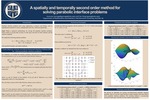
A Spatially and Temporally Second Order Method for Solving Parabolic Interface Problems
2022Kumudu Gamage and Yan Peng
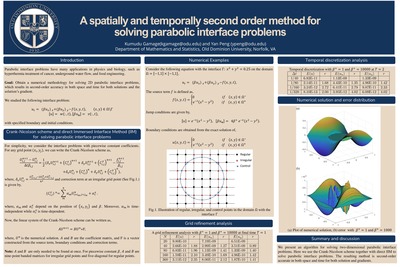
Parabolic interface problems have many applications in physics and biology, such as hyperthermia treatment of cancer, underground water flow, and food engineering. Here we present an algorithm for solving two-dimensional parabolic interface problems where the coefficient and the forcing term have a discontinuity across the interface. The Crank-Nicolson scheme is used for time discretization, and the direct immersed interface method is used for spatial discretization. The proposed method is second order in both space and time for both solution and gradients in maximum norm.
-

The Food Environment and its Linkage to an Increased Incidence of Chronic Illnesses in Predominantly Minority and Low-Income Neighborhoods
2022Clarenisha Green
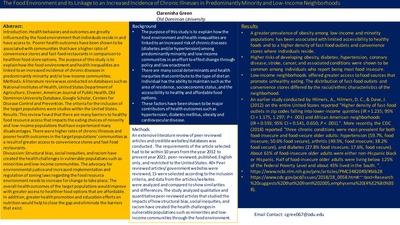
Introduction: Health behaviors and outcomes are greatly influenced by the food environment that individuals reside in and have access to. Poorer health outcomes have been shown to be associated with communities that have a higher ratio of convenience stores and fast-food restaurants in comparison to healthier food store options. The purpose of this study is to explain how the food environment and health inequalities are linked to an increased incidence of chronic diseases in predominantly minority and/or low-income communities.
Methods: A literature review was conducted on databases such as National Institutes of Health, United States Department of Agriculture, Elsevier, American Journal of Public Health, Old Dominion University Database, Google Scholar, Centers for Disease Control and Prevention. The PECOS method was also used to specify the inclusion of the target populations within the United States.
Results: This review found that there are many barriers to healthy food resource access that impacts the eating choices of minority and low-income populations that have experienced many disadvantages. There were higher rates of chronic illnesses and poorer health outcomes in the target populations’ communities as a result of greater access to convenience stores and fast-food restaurants.
Discussion: Structural bias, social inequities, and racism have created the health challenges in vulnerable populations such as minorities and low-income communities. The advocacy for environmental justice and increased implementation and regulation of zoning laws regarding the food resource environment needs to increase for change to take place. The overall health outcomes of the target populations would improve with greater access to healthier food options that are affordable. In addition, greater health promotion and education efforts on nutrition would help to close the gap and eliminate the barriers that exist.
-
Physical Inactivity, Obesity, and the Latino Adult Population: A Literature Review
2022Steven Gunzelman
Physical Inactivity, Obesity, and the Latino Adult Population: A Literature Review
Abstract
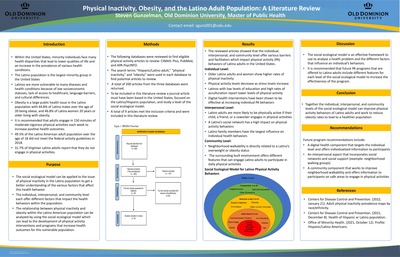
Purpose: The Latino population within the United States show low levels of physical activity and have a high prevalence of obesity. The purpose of this literature review is to analyze the interaction between three different levels of the social ecological model and their impact on physical inactivity behaviors.
Methods: The databases CINAHL Plus, PubMed, and PsycINFO were searched with Latino adults as the target population. The inclusion criteria were studies focusing on Latino adults over the age of 18 that live in the United States that discuss the impact of either the individual, interpersonal, or community level of the social ecological model on physical activity behaviors.
Results: The various studies reveal that there are multiple levels that influence physical activity behaviors of Latino adults that must be incorporated into program design. Programs for the individual level target attitudes, skills, and knowledge levels to motivate adults to change PA behaviors. The interpersonal level relies on friends and family to influence individuals to become more physically active. Community level programs are used to modify the environment that surrounds an individual to increase access and make it easier to engage in exercise.
Discussion: The individual, interpersonal, and community levels of the social ecological model have a direct impact on physical activity behaviors and obesity rates in the Latino population. It is recommended that future physical activity programs are designed by incorporating components from these three levels to lead to more effective interventions.
-
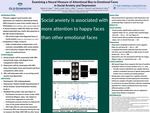
Examining a Neural Measure of Attentional Bias to Emotional Faces in Social Anxiety and Depression
2022Nathan M. Hager, Matt R. Judah, Alicia L. Milam, Hannah C. Hamrick, and Catherine R. Glenn
Cognitive theories suggest that attentional biases may contribute to both social anxiety and depression, such that attention may be biased to focus on or away from certain information (e.g., rejecting or sad images; Clark & McManus, 2002; Lemoult & Gotlib, 2019). Although research is mixed, recent studies using a neural measure called the N2pc (an event-related potential) has indicated attentional biases in social anxiety. However, little N2pc research has examined depression or co-occurring depression and social anxiety.
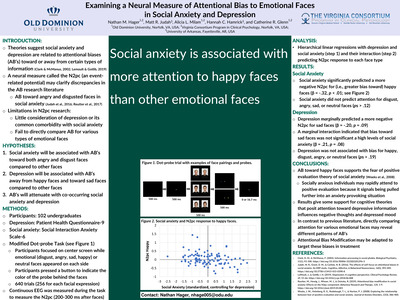
The current study used electroencephalography to measure the N2pc during a dot-probe task in which images of faces with emotional or neutral expressions competed for attention. Undergraduates (N = 102) completed the task and self-report measures of social anxiety and depression. Hierarchical linear regressions examined the hypotheses that social anxiety would be associated with attentional biases toward both angry and disgust faces and that depression would be associated with biases away from happy faces and toward sad faces.
Social anxiety was associated with a more negative N2pc for (i.e. greater bias toward) happy faces (β = -.32, p < .01) when holding depression constant. Depression was only marginally associated with bias toward sad faces (β = -.20, p = .09), given average social anxiety, and the interaction of depression and social anxiety marginally predicted less bias toward sad faces (β = .21, p = .08).
The social anxiety bias toward happy faces supports the fear of positive evaluation theory (Weeks et al., 2008). Individuals with social anxiety may rapidly attend to positive evaluation because it signals being pulled further into an anxious situation. The depression bias toward sad faces was marginal but provides some support for the cognitive perspective that attentional vigilance for depressive content influences negative thoughts and mood. This research informs interventions such as attentional bias modification and cognitive-behavioral therapy.
-
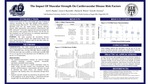
The Impact of Muscular Strength on Cardiovascular Disease Risk Factors
2022Joel E. Harden, Leryn J. Reynolds, Patrick B. Wilson, and Gena R. Gerstner
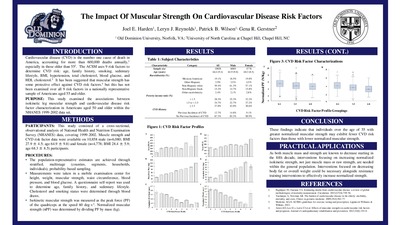
The purpose of this study was to determine the associations between isokinetic leg muscular strength and cardiovascular disease (CVD) risk factor characterizations in Americans aged 50 and older. Using a publicly available dataset from the National Health and Nutrition Examination Survey (NHANES), a secondary analysis was conducted on participants (males ≥50 yrs; females ≥55 yrs; N=10,858) pooled from 1999 to 2002. CVD risk factors were determined using the American College of Sports Medicine (ACSM) cutoff values. CVD risk factor characterization was determined by creating CVD risk factor profiles (i.e., the total number of CVD risk factors an individual possesses), then separating participants into low (0-2 CVD risk factors), moderate (3-5), and high (6-8) risk groups. Muscular strength was determined by isokinetic maximal peak force (PF) of the leg extensors, both raw and normalized to body mass. Normalized, but not raw, muscular strength was shown to be significantly inversely associated with CVD risk factor characterization for both males and females (P
-
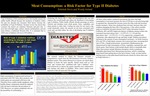
A Literature Review on Red Meat Consumption Contribution as a Risk Factor for Type 2 Diabetes
2022Wendy Ireland and Rebekah Davis
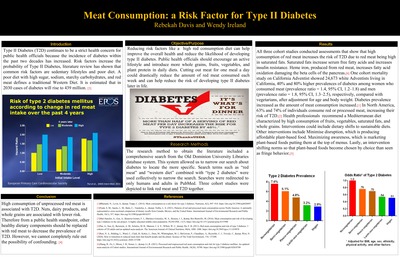
Diabetes continues to be a major health concern for public health officials. The incidence of diabetes has grown in the past two decades producing more than 37 million Americans who live with diabetes (about 1 in 10), and approximately 90-95% of Americans have type 2 diabetes 1. It is estimated that in 2030 cases of diabetes will rise to 439 million 2. Risk factors contribute to the likelihood of developing type 2 diabetes and other health concerns 3. Reducing risk factors like a sedentary lifestyle and a high red meat consumption diet has shown to improve the overall health and reduce the likelihood of developing type 2 diabetes. Some practices to reduce red meat consumption have included taxation of these products, health marketing on products, and implementation of nutrition programs to increase more plant-based diet 4 5. The methodology behind finding this research included doing a comprehensive search through our institutional library database. Specific search words like “meat consumption” and “programs” and a range of publishing dates, in attempts to locate recent and updated findings. Research has shown that higher rates of red meat consumption contributes to a greater chance of diabetes as well as other non-communicable diseases 6. Common preventions have encouraged weight loss, which is obtained through a drastic diet change and continuing with an active lifestyle3. Health behavior is the driving force to encourage people to change, an analysis with the Health Belief Model contributes to a strong understanding as to why people struggle to make these necessary health changes. With more research and more health promotion programs, people can have an avenue to improve their health.
-
Empirically Adjusted Weighted Ordered P-values Method
2022Wimarsha Jayanetti, Sinjini Sikdar, and N. Rao Chaganty
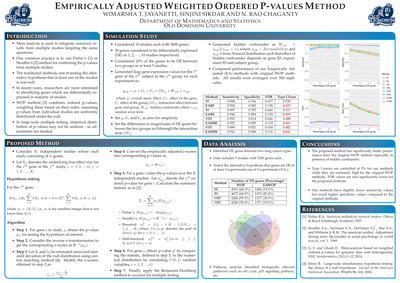
Recent advancements in high-throughput technologies have enabled simultaneous inference of thousands of genes. With the abundance of public databases, it is now possible to rapidly access the results of several genomic studies, each of which includes the significance testing results of a large number of genes. Researchers frequently aggregate genomic data from multiple studies in the form of a meta-analysis. Most traditional meta-analysis methods aim at combining summary results to find signals in at least one of the studies. However, often the goal is to identify genes that are differentially expressed in a consistent pattern across multiple studies. Recently, a meta-analysis method based on the summaries of weighted ordered p-values (WOP) has been proposed that aim at detecting significance in a majority of studies. In the presentation, we will discuss how adherence to the standard null distributional assumptions of the WOP meta-analysis method can lead to incorrect significance testing results. To overcome this, we will propose a robust meta-analysis method that performs an empirical modification of the individual p-values before combining them through the WOP approach. Through various simulation studies, we will show that our proposed meta-analysis method outperforms the WOP method in terms of accurately identifying the truly significant set of genes by reducing false discoveries, especially in the presence of unobserved confounding variables. We will illustrate the application of our method on three sets of micro-array data on lung cancer, brain cancer, and diabetes.
-
Campus Racial Climate and Mental Well-Being Among College Students: The Role of Feeling Valued, Sense of Belonging, and Racial Saliency
2022Raksha Kandlur MA and Catherine Glenn PhD
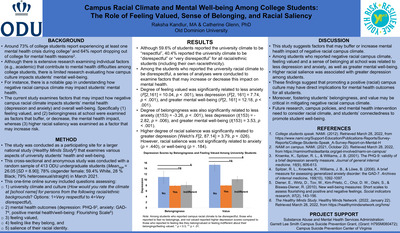
Around 73% of students report experiencing a mental health crisis during college, and 64% report dropping out for mental health reasons. Research indicates that negative campus racial climate contributes to poor mental health, but few studies have examined factors that may moderate this impact. The current study examined potential moderators of the impact of negative campus racial climate on students’ mental health, including whether: (1) feeling valued and (2) belongingness at school may buffer, or reduce, risk and (3) higher racial saliency may increase risk. Data were drawn from the Healthy Minds Study, administered to a random sample of 4,000 students at Old Dominion University in March 2021.
Of the 413 students who completed the survey, 167 (40.4%) rated the climate at school for persons from various racial/ethnic backgrounds to be “disrespectful” or “very disrespectful”. Feeling valued and belonging at school buffered this risk. Specifically, compared to students who did not feel valued at school, those who felt valued had lower anxiety.
-
The Benefits and Challenges of Rural Special Education Teachers: Improving Teacher Retention in Rural Districts
2022Olga Karadimou
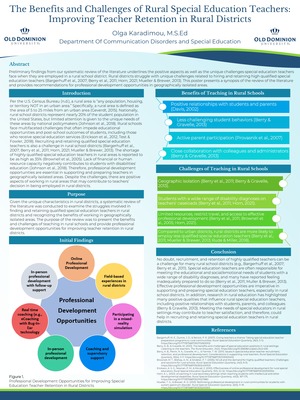
Per the U.S. Census Bureau (n.d.), a rural area is “any population, housing, or territory NOT in an urban area.” Specifically, a rural area is defined as the area of 5 to 25 miles from an urban area (Geverdt, 2015). Nationally, rural school districts represent nearly 20% of the student population in the United States, but limited attention is given to the unique needs of these areas by national policymakers (Johnson et al., 2018). Rural schools face multifaceted challenges that often impede educational opportunities and post-school outcomes of students, including those who receive special education services (Erickson et al., 2012; Test & Fowler, 2018). Recruiting and retaining qualified special education teachers is also a challenge in rural school districts (Bargerhuff et al., 2007; Berry et al., 2011; Horn, 2021; Mueller & Brewer, 2013). The shortage of highly qualified special education teachers in rural areas is reported to be as high as 35% (Brownell et al., 2005). Lack of financial or human resource capacity negatively contributes to students with disabilities' education (Johnson et al., 2018). Therefore, professional development opportunities are essential in supporting and preparing teachers in geographically isolated areas. Despite the challenges, there are also positive aspects of working in rural areas that may contribute to teachers’ decision in being employed in rural districts.
-
Investigation of Magnesium Cation-proton Exchange with Transmembrane Electrostatically Localized Protons (TELP) at a Liquid-membrane Interface: Fundamental to Bioenergetics
2022Gyanendra Kharel, Andrew J. Evans, Christopher M. Russo, Michael Eason, and James W. Lee
The Lee transmembrane electrostatic proton localization (TELP) theory is a revolutionary scientific theory that has successfully explained decades long-standing quandary in the field of bioenergetics in regards to ATP synthesis in biological systems, specifically alkalophilic bacteria. This study provides experimental support for the TELP theory by further demonstrating evidence of a localized proton layer existing at the liquid-membrane interface in a simulated biological membrane apparatus. Whilst monovalent cations have been studied extensively, divalent cation exchange has not been studied experimentally.
A previous study determined equilibrium constant for Na+ and K+ to exchange with localized H+ layer to be (5.07 ± 0.46) x 10-8 and (6.93 ± 0.91) x 10-8 respectively. We discovered that an equilibrium exchange occurs at 0.85 mM Mg2+ concentration. The findings here contributed to the successful determination of the equilibrium constant between Mg2+ and the localized H+ layer to be (1.56 ± 0.46) x 10-5. The equilibrium constant, much smaller than one, thus provides support for Lee’s TELP model since so many more Mg2+ in the bulk liquid phase that are required to even partially delocalize just a single H+ at the liquid-membrane interface. These results are relevant to further understand how water can act as a proton conductor for proton coupling energy transduction and the implications of different biological organisms’ salinity tolerance.
-
The Narratives of Teacher Candidates in Clinical Practice Within Aa Teacher Residency: The Shaping of Professional Teacher Identities
2022Lauren Laughlin
Clinical practice within teacher residencies offers contextually based experiences that are influential in the development of professional teacher identities. Additionally, the stories told by teacher candidates about these experiences are instrumental to this development as narratives and identity are intertwined (Clandinin & Connelly, 2000). Consequently, I employed a narrative inquiry to explore the three-dimensional space of time, place, and sociality that teacher candidates encountered for the first part of their clinical practice within a teacher residency. Additionally, I explored challenges each participant faced. Data collection included interviews, observations, and artifacts as each piece of data informed the other. Then, thinking with theory was employed as each participant’s story was told (Jackson & Mazzei, 2012). Specifically, Anzaldúa’s (1987) identity theories were used as a lens to make meaning. Using this lens resulted in bringing to the forefront borders, borderlands, and bridges that each participant faced as they were becoming someone new. These borders and bridges were influential to the shaping of participants’ professional identities, and they manifested in aspects of the people, places, and time associated with the stakeholders of the teacher residency. Hybrid spaces and roles were also beneficial for identity development. Subsequently, there is need for continued pursuit of co-construction amongst stakeholders as well as intentional borderland discourses that support teacher candidates in negotiating their professional teacher identities.
Printing is not supported at the primary Gallery Thumbnail page. Please first navigate to a specific Image before printing.